How Employee Attendance Point Systems Work
A step-by-step implementation guide explaining how attendance point systems transform unpredictable staffing into measurable, accountable processes that reduce unplanned absences by up to 50%.
By Rich Titus
Attendance point systems transform unpredictable staffing into a measurable, accountable process. This guide explains how these systems actually work day-to-day—from assigning points to managing resets and legal exceptions—so you can reduce unplanned absences by up to 50% while maintaining compliance.
If you're looking for a forward-looking perspective on policy design and the future of attendance management, visit our companion article Attendance Point Systems 2025 Framework. Together, these resources outline both the strategic and operational sides of modern attendance management.
1. Understanding the Core Mechanics
An attendance point system assigns numeric values to attendance infractions such as tardiness, early departures, or no-shows. Each infraction accumulates points, and once thresholds are met, the employee faces progressive consequences (verbal warning, written warning, suspension, or termination). A properly calibrated system replaces subjective judgment with transparent, data-driven accountability.
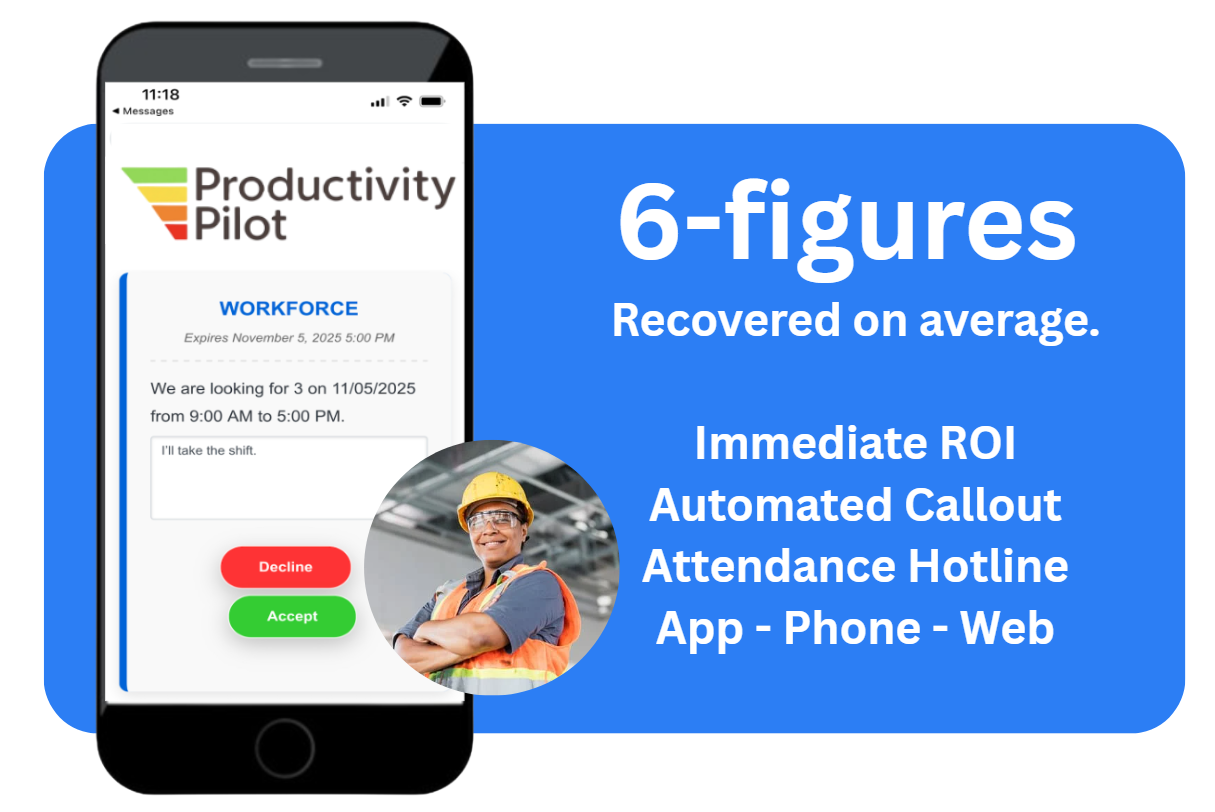
Modern systems integrate with attendance tracking platforms to automate point assignment and ensure consistent application across all employees and locations.
2. Step-by-Step: How the System Operates
Here's the tactical workflow for daily execution:
- •Define infractions and assign point values (e.g., late arrival = 1 point, no-show = 5 points).
- •Set thresholds for disciplinary actions (10 points = verbal warning, 20 points = written warning, 30 points = termination).
- •Decide reset rules (e.g., points reset to zero after 90 days of perfect attendance).
- •Track digitally using your workforce management platform or attendance app.
- •Communicate consistently so employees can check their own point balance and appeal if needed.
Unlike the 2025 Framework article, which explores evolving models and predictive absence analytics, this page focuses on tactical rollout and daily execution.
3. Building a Legally Compliant Policy
Design your system in alignment with U.S. labor laws to prevent compliance risks. Protected leave under FMLA, ADA, and state equivalents cannot accrue points. HR leaders should document which absences qualify as excused, provide employees with visibility into their point records, and apply the policy uniformly across departments.
Review your rules annually with HR and legal teams. For organizations in regulated sectors like healthcare or manufacturing, compliance consistency directly affects operational stability and labor cost forecasts.
Key compliance requirement: Ensure your policy clearly exempts FMLA, ADA, workers' compensation, and other legally protected absences. Modern policy automation tools can flag these exceptions automatically.
4. Launching an Effective Program
A successful rollout requires careful planning and clear communication:
- Audit current absence trends and identify top drivers of lost shifts.
- Draft infractions and escalation levels aligned with your labor agreements.
- Digitize the system within your workforce management for logistics or scheduling platform.
- Train supervisors on consistent documentation and coaching conversations, including proper call-in procedures.
- Communicate to staff via handbooks, meetings, and self-service dashboards.
This process emphasizes fairness, transparency, and proactive communication—the three pillars that sustain adoption and trust.
5. Benefits and Measurable Outcomes
Organizations that pair structured attendance tracking with automated scheduling report:
- •Up to 50% lower absenteeism within six months.
- •Improved punctuality and predictable shift starts.
- •Reduced overtime costs caused by last-minute coverage gaps.
- •Lower grievance rates and clearer disciplinary documentation.
When connected to scheduling automation, these systems help optimize budgets and coverage across departments while maintaining compliance visibility. Learn more about reducing unplanned absences in our guide on handling employee no-call no-shows.
6. Common Mistakes and How to Avoid Them
- •Ignoring communication: If employees learn about points only during discipline meetings, morale drops.
- •Rigid enforcement: Allow discretion for legitimate delays (weather, transit) within clear policy limits.
- •Lack of visibility: Employees should be able to view their balance anytime.
- •No connection to root causes: Use attendance data to address scheduling fatigue or burnout rather than simply penalize.
Organizations in food & beverage and retail often face unique scheduling challenges that require flexible point systems aligned with labor regulations.
7. Measuring Success
| Metric | Purpose | Target |
|---|---|---|
| Unscheduled absence rate | Primary productivity indicator | Reduce 20-50% in 12 months |
| Average points per employee | Shows improvement trend | Month-over-month decline |
| Grievances related to attendance | Fairness perception | Zero or near-zero |
| Overtime cost variance | Financial ROI measure | 10-30% reduction |
Track these metrics monthly and adjust your policy as needed to ensure continuous improvement and compliance.
8. How This Differs from the "2025 Framework" Article
While the Attendance Point Systems 2025 Framework post examines the future of attendance technology—AI-based forecasting, labor analytics, and predictive scheduling—this implementation guide is designed for practitioners who need a concrete starting point today. Together, they create a complete knowledge path:
- •This guide: How to design, implement, and manage a working point system.
- •2025 Framework: How point systems will evolve with automation and compliance AI.
For organizations looking to understand broader compliance considerations, also review our guide on no-fault attendance policies and legal compliance.
9. FAQs
How often should points reset?
Commonly, points reset after 90 days of perfect attendance or on a rolling 12-month basis. The key is clarity—make sure every employee knows exactly when resets occur.
Can good attendance earn positive points?
Yes. Some teams reward streaks of punctuality or perfect attendance with redeemable points or schedule preferences, reinforcing positive behavior.
Should I automate the system?
Automation reduces administrative effort and improves visibility. Integrated tools can also flag potential compliance issues before they escalate. See our support and FAQs for integration options.
Key Takeaways
- ✓Point systems create objective accountability by replacing subjective judgment with transparent, data-driven consequences.
- ✓Legal compliance is non-negotiable—exempt FMLA, ADA, and protected leave from point accrual.
- ✓Success requires clear communication—employees must understand the policy and be able to view their point balance.
- ✓Automation drives efficiency and reduces compliance risk through consistent application.
- ✓Measure and adjust using key metrics like absence rate, average points, and overtime costs.
10. Take Action
Attendance management success starts with consistent data, clear policy, and transparent communication. With the right structure, your team can improve attendance predictability, reduce overtime, and strengthen compliance across all locations.
To see how Productivity Pilot automates these workflows and integrates point tracking with scheduling, schedule a 20-minute demo today.